
How The New Generation of Filipino Kids Practice the Filipino Core Values of Respeto and Pakikisama in the Digital Age
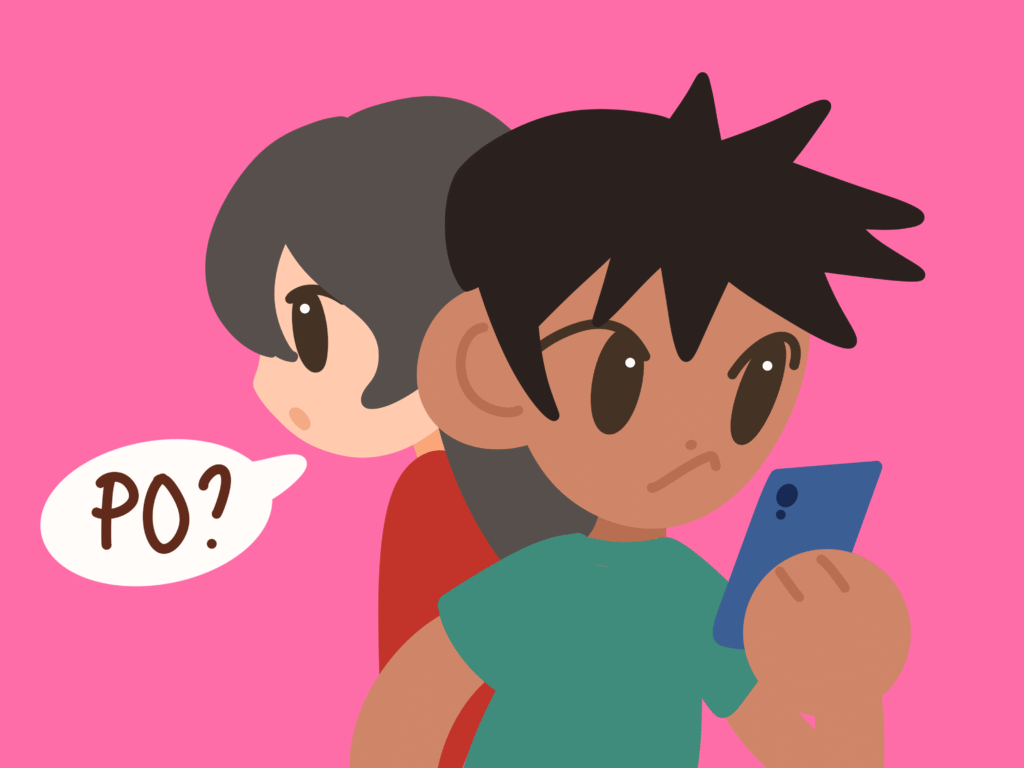
Filipino children today are growing up in a world where digital media is part of everyday life. With just a few taps, they can access content from all over the world, including Western cartoons and character-driven shows that influence how they speak, behave, and interact with others.
This is because kids naturally learn through imitation, so the characters they see on screens often become the models for how they speak and behave. This shift does not automatically equate to negative outcomes. In fact, many children’s shows from abroad often promote qualities such as creativity and empathy. However, modern Filipino parents have raised important concerns. As their children absorb foreign habits and languages, these children may begin to interpret Filipino values through different cultural lenses.
With most children’s media that is readily available online being Western in nature, cultural blending has become inevitable. Today’s Filipino children tend to mix traditional values with global influences, enriching their world view, but this also risks a disconnect from cultural identity. Children still practice respeto and pakikisama, but they express these values differently. For instance, respectful communication may appear more casual, and the use of po and opo may become less frequent, especially towards their elders. These changes do not automatically signal disrespect. Instead, they show how children adapt cultural habits while navigating a globally connected world.
The Filipino value of pakikisama is also seen differently in today’s Filipino children. Some prefer spending time with their gadgets rather than going out to play or spending time with their families. Others bond by watching media together instead of participating in traditional outdoor activities. While these shifts reflect modern interests, they also change how social connection and community involvement are expressed.
New Expressions of Respeto and Pakikisama
Even as behaviors change, Filipino values continue to appear in new forms:
- Children may show respeto through polite tone, kindness, and helpfulness rather than formal gestures.
- They may practice pakikisama through online games, group chats, and digital teamwork with friends or classmates.
- Digital platforms provide new spaces for kids to cooperate, empathize, and build friendships, even if interactions are not always face-to-face.
These evolving expressions show that Filipino values are not disappearing; they are transforming to fit the environments children now navigate.
Why Maintaining Filipino Values Still Matters
Cultural exchange is not inherently harmful. However, upholding Filipino core values remains essential. These cultural values help children stay grounded in their roots, guide their decision-making, and strengthen connections between them, their family, and their community.
As Filipino children explore modern media, the role of parents becomes increasingly important. Through conversations, guidance, and shared experiences, families can help Filipino values evolve without losing their meaning. When parents explain the significance behind respeto and pakikisama, children better understand why these traditions matter in the first place.
Filipino kids today practice respeto and pakikisama in ways that reflect both tradition and modernity. While global content influences their behavior, these values still shape how they interact and connect with others. With mindful parental involvement, children can continue to embrace Filipino identity even as they grow up in a digital and multicultural world. Filipino values remain an anchor, helping them stay rooted in what it truly means to be Filipino.
good article!